
Cymbalta and Alcohol: Risks, Guidelines & Smarter Choices


Key Points
- Combining Cymbalta (duloxetine) with alcohol increases liver injury risk and can intensify side effects like dizziness and drowsiness.
- The FDA advises against using Cymbalta for individuals with substantial alcohol use due to overlapping liver toxicity concerns.
- Alcohol can counteract Cymbalta’s antidepressant benefits and worsen depression or anxiety symptoms.
- If you’re considering drinking on Cymbalta, consult your prescriber first and monitor for warning signs like jaundice or dark urine.
Many people who take Cymbalta want to know if they can safely have a drink now and then. The consumption of duloxetine with alcohol creates a link that impacts liver health, brain chemistry, and mental health. Understanding these drug interactions enables you to make informed decisions that safeguard your health.
This article contains information about the drug duloxetine, for which one brand name is Cymbalta. Duloxetine is sold using other brand names, to which this information also applies.
What Is Cymbalta (Duloxetine) & How It Interacts With Alcohol
Cymbalta, one brand name for duloxetine, is a serotonin-norepinephrine reuptake inhibitor (SNRI) prescribed for major depressive disorder, generalized anxiety disorder, fibromyalgia, chronic musculoskeletal pain, and diabetic peripheral neuropathic pain. It is available as an oral, delayed-release capsule. By increasing serotonin and norepinephrine in your brain, duloxetine helps regulate mood, reduce pain perception, and improve overall functioning.
Understanding why mixing duloxetine and alcohol matters requires looking at two key interaction points. Both Cymbalta and alcohol affect your central nervous system, which is the brain and spinal cord. Cymbalta can cause drowsiness, dizziness, and impaired coordination. Alcohol intake produces similar effects by depressing central nervous system activity. When combined, these effects intensify, potentially leading to excessive sedation, poor coordination, and increased accident risk.
The liver concern is equally important. Your liver metabolizes both duloxetine and alcohol. Duloxetine has been associated with liver injury in some cases, including hepatitis and jaundice. Alcohol is well-known for its potential to damage liver tissue, especially with heavy or chronic use. When you combine a medication that carries some liver risk with a substance that is toxic to the liver, you compound the potential for harm.
The FDA labeling for Cymbalta [1] states explicitly that the medication is not recommended for patients with substantial alcohol use.
Can You Drink on Cymbalta?
Drinking on Cymbalta is not recommended, particularly if your alcohol use is heavy or frequent. The FDA guidance is clear: Cymbalta should not be prescribed to patients with substantial alcohol consumption.
Healthcare providers typically define heavy drinking [2] as consuming eight or more drinks for women, or 15 or more drinks for men, per week. Binge drinking (4 or more drinks on a single occasion for women or 5 or more for men) also qualifies as substantial use.
The question of whether you can have an occasional drink on duloxetine doesn’t have a one-size-fits-all answer. Your prescriber needs to evaluate your entire health situation.
Some people may receive clearance for very occasional, limited alcohol consumption while on Cymbalta, while others should avoid alcohol entirely. Any decision to drink alcohol while taking duloxetine should involve your prescriber and include appropriate safety precautions and monitoring, especially of liver function.
Key Risks & Interactions: What Can Go Wrong
Liver Strain & Injury
One concern about drinking alcohol while on duloxetine involves risk of potential liver damage. While most people taking Cymbalta don’t experience liver problems, the medication has been associated with cases of hepatitis, jaundice [1], and elevated liver enzymes. Adding alcohol use increases stress on your liver and elevates injury risk.
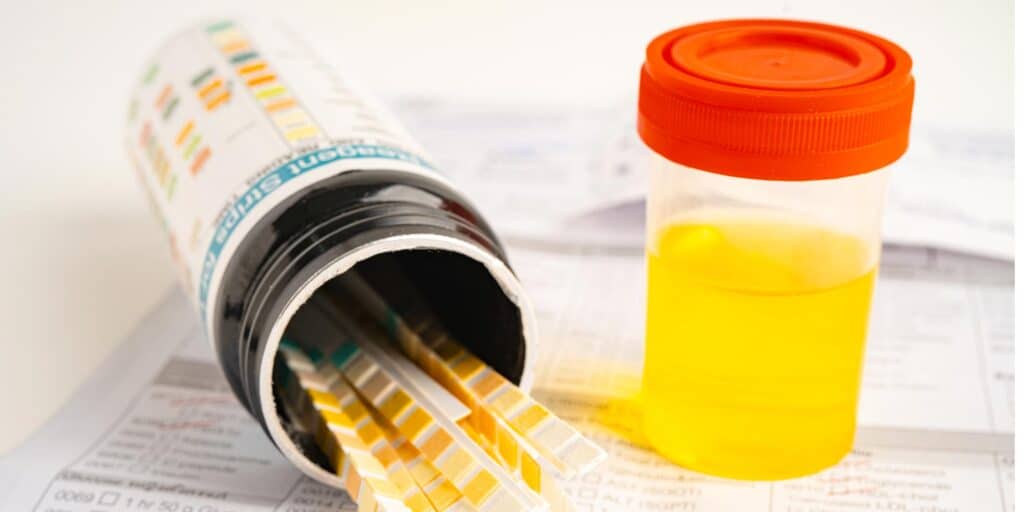
Watch for these warning signs: jaundice (yellowing of your skin or the whites of your eyes), dark urine that appears tea-colored or brown, persistent nausea or vomiting, severe fatigue that exceeds normal tiredness, loss of appetite, pain or tenderness in your right upper abdomen, and itching all over your body. If you experience any of these symptoms, stop drinking alcohol immediately and contact your healthcare provider.
Central Nervous System & Side Effects
The combined depressant effects of duloxetine and alcohol create practical safety concerns. You may experience excessive dizziness or lightheadedness, especially when standing up. Drowsiness can become overwhelming, affecting your ability to work, drive, or perform daily activities safely. Coordination and balance may be impaired, which can increase fall risk, particularly among older adults.
These common side effects raise your risk of accidents, falls, and injuries. If you work with machinery, drive, or engage in activities requiring alertness, this risk becomes even more significant.
Mood Destabilization
Alcohol is a central nervous system depressant [3] that can worsen depressive symptoms, increase anxiety, and interfere with sleep quality. When you’re taking duloxetine to improve mood and mental health, alcohol works against those therapeutic benefits.
Regular alcohol use may reduce how well duloxetine manages your symptoms. You might find that your symptoms of depression or anxiety worsen, your pain levels increase, or you may experience more mood swings.
Who Should Strictly Avoid Alcohol on Cymbalta
Certain individuals should completely avoid alcohol while taking duloxetine:
- You have a history of liver disease, including hepatitis, cirrhosis, fatty liver disease, or elevated liver function tests [4].
- You engage in heavy or frequent alcohol intake or have patterns of binge drinking.
- You’re age 65 or older, with an increased risk of falls and a greater susceptibility to low sodium levels.
- You have a history of falls or balance problems.
- You take other medications that interact with alcohol or stress liver function.
If You’re Already Drinking: Precautions & Safer-Use Guidance
If you’re considering occasional alcohol use while on duloxetine, these practical steps can help reduce risk. Remember that these precautions don’t eliminate risk. The only way to eliminate risk is NOT to mix alcohol and duloxetine.
Talk to Your Prescriber First: Have an honest conversation about how much and how often you drink alcohol, any history of liver problems, and other medications you take. Your provider may recommend baseline liver function tests and periodic monitoring of your liver function.
Set Clear Limits: If your prescriber gives clearance for very limited alcohol consumption, establish specific boundaries. Plan alcohol-free days throughout each week. Set a maximum limit per occasion (such as no more than one drink) and stick to it. Avoid any binge drinking.
Avoid Medication Combinations: Don’t combine alcohol or duloxetine with other sedating medications, including benzodiazepines, sleep aids, muscle relaxants, or opioid pain medications.
Monitor for Warning Signs: Pay attention to how you feel after drinking. Watch for excessive drowsiness, unusual dizziness, mood changes or worsening depression, any signs of liver problems, and unusual confusion.
Know When to Seek Urgent Care: Seek immediate medical attention if you experience jaundice, severe abdominal pain, dark urine, light-colored stools, severe confusion or disorientation, or fainting.
Expert Perspective: A Message From Our Professionals
At Paramount Wellness, we’ve guided many individuals through medication management challenges during recovery and mental health treatment. Generic internet advice can’t replace individualized medical guidance that takes into account your unique health status, medication regimen, and life circumstances. The interaction between duloxetine and alcohol illustrates this. While guidelines exist, the safest approach for you depends on factors that can only be properly evaluated by your healthcare team. That’s why we emphasize 24/7 medical availability and whole-person care.
How Paramount Wellness Can Support You
At Paramount Wellness, we understand that questions about medications and alcohol often arise within a larger context of mental health, substance use, and overall wellness. Our boutique facility in Haddam, Connecticut, provides comprehensive care that addresses these interconnected concerns.
Our medically supervised detox program offers safe support if you need help reducing or stopping alcohol use. Our residential treatment program addresses both mental health and substance use through our dual-diagnosis approach. Our evidence-based therapies include cognitive behavioral therapy (a form of talk therapy that focuses on identifying and changing unhelpful behaviors), dialectical behavior therapy (a form of talk therapy that helps people manage intense emotions and behaviors), trauma-informed care, and medication management, all of which are supported by ongoing monitoring. We also offer holistic modalities including yoga, meditation, and sound healing.
Frequently Asked Questions