
Does Adderall Show Up on a Drug Test? What You Need to Know



Key Points
- Adderall will show up on standard drug tests because it contains amphetamine, which is detected by common screening methods.
- Detection windows vary by test type: 1-4 days in urine, 2-3 days in blood, up to 50 hours in saliva, and 90 days in hair.
- Factors such as dosage, metabolism, hydration, and urine pH significantly affect how long Adderall remains detectable in your system.
- Standard immunoassay tests cannot distinguish prescribed Adderall from illicit amphetamines, so confirmatory testing may be required.
- Disclosing your prescription and providing documentation from your doctor can prevent misunderstandings about positive test results.
If you are currently taking Adderall and have to take a drug test, you might have many questions as to what the drug test will reflect when it comes back. This is a totally reasonable concern, and you should have reliable, factual information about what will happen next. Possible reasons why you might be looking for an understanding of how Adderall affects your drug test results may include work requirements, legal requirements, or being in a treatment program. Learning more about how Adderall works with drug testing will allow you to be better prepared when taking a drug test and give you more confidence.
What Is Adderall and How Do Drug Tests Work?
Adderall is a combination stimulant medication containing a 3:1 mix of dextro- and levo-amphetamine salts. It comes in oral tablets and extended-release capsules. Because it is an amphetamine, standard urine tests will flag it as a stimulant [1]. These initial screening tests are designed to detect drug classes rather than specific medications.
Drug testing methods vary depending on the setting and requirements:
Common Drug Test Types:
- Urine tests: The most common method due to cost-effectiveness and convenience
- Blood tests: More invasive and typically used in clinical or emergency settings
- Saliva tests: Non-invasive oral fluid testing that’s growing in popularity
- Hair tests: Detect drug use over extended periods, typically up to 90 days
Standard screens cannot distinguish prescribed Adderall from illicit amphetamines. If your initial test comes back positive for amphetamines, confirmatory testing using gas chromatography-mass spectrometry (GC-MS) or liquid chromatography-mass spectrometry (LC-MS) may be required to verify the source and legitimacy of the amphetamines in your body.
Detection Windows: How Long Does Adderall Stay in Your Body?
Understanding detection windows helps you anticipate how long Adderall remains detectable after your last dose [2]. These timeframes vary based on the type of test administered [3].
Urine Tests
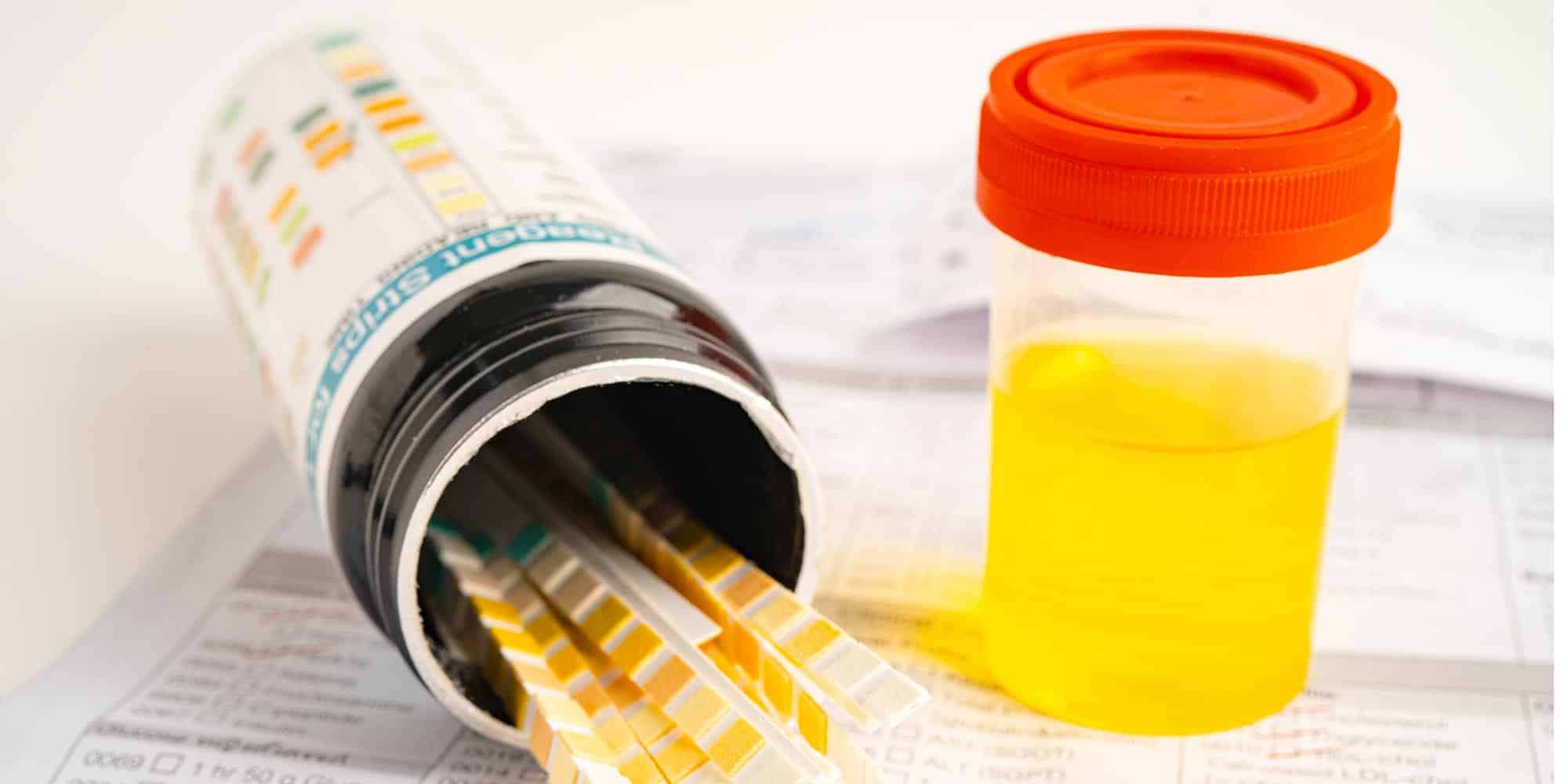
Urine testing remains the workplace standard for drug screening [4]. Adderall levels typically show detection for 1-4 days after the last dose. However, this window can vary based on individual factors such as hydration, dosage, and metabolic rate.
Blood Tests
Blood testing detects Adderall within hours of ingestion. Typically, Adderall remains detectable in the blood for roughly 2-3 days.
Saliva Tests
Saliva screens can detect Adderall within 20 minutes of ingestion and continue showing positive results for up to 50 hours after dosing. These tests offer a non-invasive alternative to blood testing and can effectively detect recent use.
Hair Tests
Hair follicle testing shows amphetamine use for up to 90 days. This method is employed when a long-term drug history is needed, such as in certain employment screenings or legal proceedings.

Factors That Affect the Detection of Adderall
How does Adderall show up on a drug screen, and why do detection times vary so widely? Several individual and environmental factors influence how long Adderall stays in the body [3]:
Dosage and Frequency of Use: Higher doses or repeated use lead to longer detection windows. Someone taking extended-release formulations may have different elimination patterns than those using immediate-release versions.
Metabolism and Body Composition: People with faster metabolisms or less body fat eliminate the drug more quickly. Slower metabolism can prolong detection times. Age also plays a role, as younger individuals often clear amphetamines faster than older adults.
Urine pH and Hydration: Acidic urine speeds Adderall elimination, while alkaline urine slows it [4]. Trying to alter your urine ph will not help you “beat” a test and can be dangerous. Dehydration concentrates the drug in your body, potentially extending the detection window. Proper hydration supports normal renal excretion but won’t drastically alter detection times. Excessive water intake will not produce a negative test and can be dangerous.
Organ Function: Liver and kidney health significantly affect how fast Adderall is broken down and excreted from your body. Compromised organ function can extend elimination time and detection windows.
Concurrent Medications: Other drugs you’re taking, including antidepressants, beta-blockers, and even nasal decongestants, can interfere with metabolism or cause false-positive results on screening tests.
Formulation Type: Immediate-release versus extended-release (XR) formulations may have different elimination profiles, affecting how long the medication remains detectable in the body.
These variables explain why detection ranges are expressed as windows rather than exact timeframes.
Cross-Reactivity and False Positives
Understanding false-positive results is crucial when interpreting drug test outcomes. Screening tests cannot distinguish between different types of amphetamines. Adderall will trigger a positive result for methamphetamine on initial screening tests [1].
Common Causes of False Positives:
- Over-the-counter cold remedies containing pseudoephedrine
- Certain antidepressants, including bupropion
- Beta-blockers such as metoprolol
- Antipsychotic medications like aripiprazole
- Nasal decongestants and sinus medications
- Some dietary supplements and herbal products
Specialized confirmatory testing can differentiate legitimate prescriptions from illicit use, which is why follow-up testing is so essential when initial results are positive [1].
Guidelines and Precautions for Individuals on Adderall
If you’re taking Adderall and anticipate drug testing, following these guidelines can help prevent misunderstandings:
Disclose Your Prescription: Always inform employers, medical staff, or program administrators that you’re taking Adderall before testing occurs. Provide documentation from your prescriber.
Do Not Share Medication: Prescription amphetamines are controlled substances. Sharing them is illegal and can lead to unintended positive test results among family members or friends who may also be tested.
Be Prepared for Confirmatory Testing: You may need a gas chromatography-mass spectrometry (GC-MS) or liquid chromatography-mass spectrometry (LC-MS) test to verify that your positive amphetamine screen results from prescribed medication rather than illicit use [5]. Keep documentation readily available.
Monitor Other Medications: Keep a comprehensive list of all medications, supplements, and over-the-counter products you’re taking. Discuss this list with the testing authority if needed.
Considerations for Employers and Testing Programs
A drug test positive for amphetamines may result from someone legitimately taking Adderall, not illegal drugs. A confirmation test is needed to distinguish prescribed Adderall use from illicit amphetamines [1].
Before determining whether an employee can be employed, Medical Review Officers (MROs) must review the results of positive amphetamine drug tests. MROs will often ask the employee’s physician for documentation showing that the employee has a valid prescription for Adderall.
An organization protects itself and its employees by creating policies to maintain the privacy of a person’s Adderall prescription. It does not discriminate against an employee using a prescription for a legitimate purpose.
Managing Adderall Use Before a Drug Test
Discuss with your physician how to best handle an upcoming drug test. Never change your medication dosing without the guidance of your medical provider.
There is no way to quickly “flush” Adderall out of your body. The rate at which Adderall is eliminated is based primarily on your own body’s metabolism [3] and the pH level of your urine [4]. Any product claiming to provide a cleansing effect or mask drug usage cannot be trusted and likely produces a chemical substance that can be detected in your body as well.
Drinking plenty of water and eating a well-balanced diet is beneficial for you, as proper hydration supports normal kidney function in eliminating drugs from your body. However, being properly hydrated will not significantly affect the timeframe in which drugs may be detected [2]. Excessive water will not speed elimination and can be dangerous.
Finding Support and Moving Forward
At Paramount Wellness, we recognize that managing prescription medication use while meeting testing requirements can feel overwhelming. Our team is here to provide support, answer questions, and help you understand your options. If you’re concerned about Adderall use, potential misuse, or dependency, we offer confidential consultations and comprehensive dual diagnosis treatment options in our boutique residential setting.
Everyone deserves compassionate care that will address not only their ADHD but also any concerns they may have about their prescription medication use. If you need assistance navigating drug testing policies or managing your medications, our experienced team is available to help. Contact us today to discuss your individual needs and determine how we can assist you on your path to health and wellness.
Frequently Asked Questions