
How Long Do Drugs Stay in Your Saliva?



Key Points
- Saliva drug tests typically detect substances for 5 to 48 hours, making them effective for identifying recent drug use.
- Detection windows vary by drug type, frequency of use, metabolism, and individual factors like hydration and oral hygiene.
- Mouth swab tests are commonly used in roadside testing, workplace screening, and treatment settings because they’re non-invasive and provide rapid results.
When you’re wondering how long drugs stay in your saliva, you might be preparing for a test, supporting a loved one, or simply trying to understand more about oral fluid screening. Whatever brings you here, we want you to know that you’re not alone. At Paramount Wellness, we believe in providing clear, compassionate information that respects your dignity and supports your journey toward healing.
Saliva drug tests, also known as mouth swab or oral fluid tests, have become increasingly common because they’re non-invasive, quick, and effective at detecting very recent drug use. Unlike urine or hair tests that can show substance use from previous days or weeks, saliva tests generally reveal what’s happened in the past few hours to a couple of days [1].
How Do Saliva Drug Tests Work?
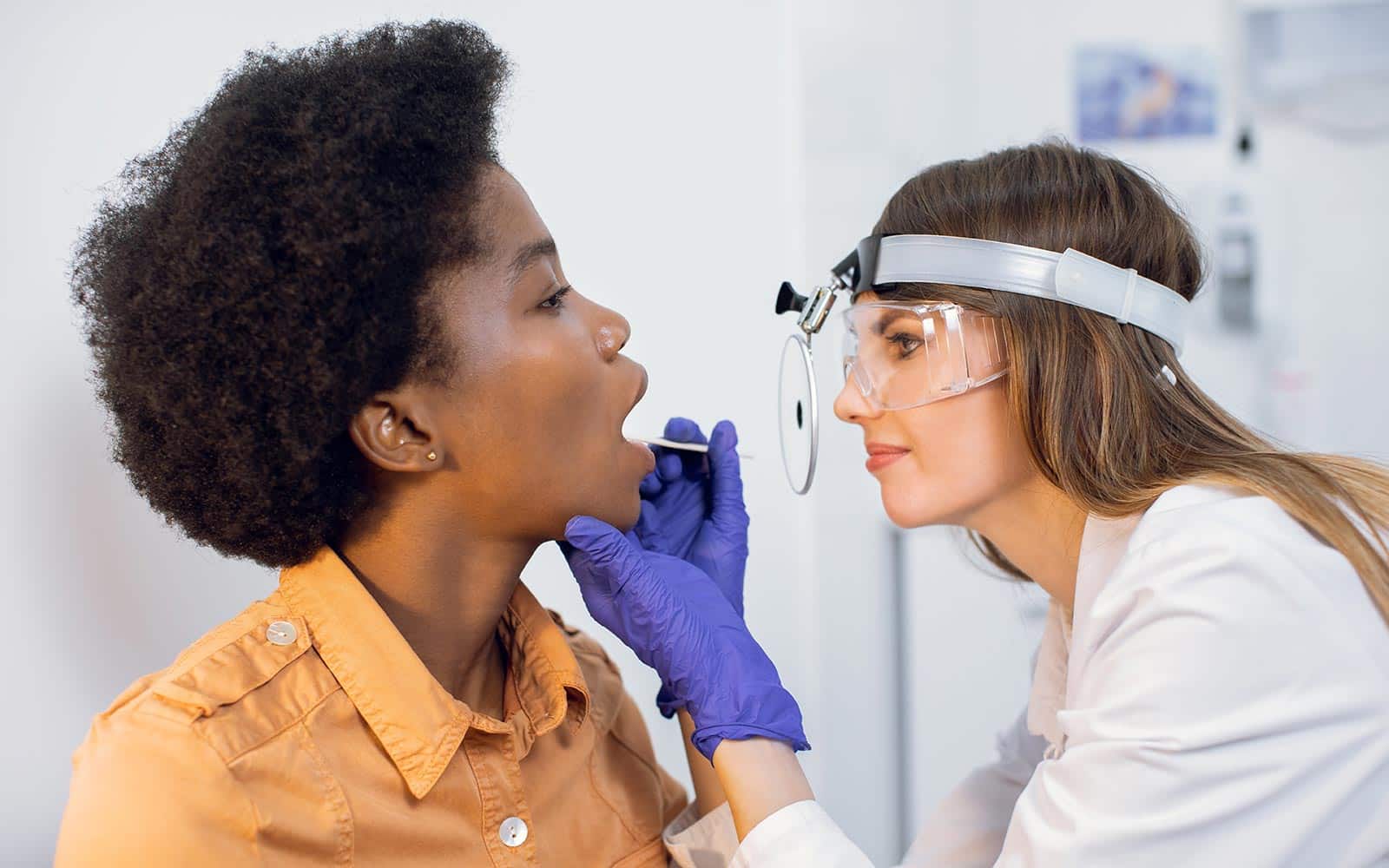
Saliva drug tests work by collecting oral fluid from your mouth using a soft swab or collection pad. The process takes just a few minutes. A testing administrator places the swab between your cheek and gum or under your tongue, where it absorbs saliva containing any drug metabolites present in your body.
Once collected, the sample is analyzed using ELISA (enzyme-linked immunosorbent assay) technology, which detects specific drug compounds. On-site testing kits provide instant screening results in 5 to 10 minutes, while laboratory confirmation testing typically takes 1 to 3 days.
Here’s how saliva tests compare to other methods:
| Test Type | Detection Window | Invasiveness | Approximate Cost |
| Saliva | 5-48 hours | Non-invasive | Moderate |
| Urine | 1.5-4 days | Minimally invasive | Low to moderate |
| Blood | Hours to 1-2 days | Invasive | High |
| Hair | Up to 90 days | Non-invasive | High |
The shorter detection window makes saliva tests ideal for identifying recent use but won’t detect historical use from more than a few days ago.
General Detection Window: How Long Do Drugs Stay in Saliva?
How far back do saliva drug tests go? Generally, saliva drug tests detect substances used within the past 5 to 48 hours [2]. Some drugs may remain detectable for up to 1 to 3 days, but most oral fluid tests cannot identify long-term use the way urine or hair tests can.
This detection window is significantly shorter than urine testing (1.5 to 4 days) and dramatically shorter than hair follicle testing (up to 90 days). The brief detection period means saliva tests are most effective when administered soon after suspected drug use.
Factors That Influence Detection
How long drugs stay in your saliva varies for each person. Key factors include:
Drug type and quantity: Different substances metabolize at different rates. Larger quantities take longer to eliminate.
Frequency and duration of use: Chronic or heavy use extends detection windows. Occasional cocaine users might test negative after 48 hours, while heavy users could show positive results for up to 10 days.
Route of administration and metabolism: Smoking or vaping delivers substances to your mouth more directly than oral ingestion. Age, liver and kidney function, and overall health influence how quickly your body processes drugs.
Hydration and oral hygiene: Dehydration can concentrate saliva, while excessive mouthwash use might temporarily reduce detectable traces.
Sample collection and handling: Proper procedures ensure accurate results. Contamination or improper storage can affect reliability.
Test sensitivity: Some assays detect lower concentrations of drugs than others.
Detection Times by Substance
How long do saliva drug tests detect specific substances? Here are approximate detection windows:
| Drug/Substance | Detection Window in Saliva | Notes |
| THC (cannabis) | 12-24 hours; up to 72 hours in heavy users | Saliva only shows recent use |
| Cocaine | 24-48 hours; up to 10 days in chronic users | Depends on frequency of use |
| MDMA (Ecstasy) | 1-2 days | Usually clears within 48 hours |
| Methamphetamine | 2-3 days; up to 8-10 days possible | Extended detection with chronic use |
| Opioids | Up to 4 days; heroin ≈ 48 hours; fentanyl up to 7 days | Varies by specific opioid |
| Benzodiazepines | 2 days; some up to 9 days | Longer-acting types have extended windows of detection |
| Barbiturates | Up to 5 days | Rapid detection useful for acute intoxication |
| LSD | 2-3 hours | Very short window |
| Alcohol | 12-24 hours; up to 48 hours | May require specific testing |
These ranges are illustrative; actual detection times depend on dose, frequency and individual factors. For more detailed ranges across specific drugs, workplace studies have published tables of detection windows [3].
Applications of Saliva Drug Testing
Roadside and Law Enforcement Use
Law enforcement agencies increasingly use oral fluid testing for roadside sobriety checks because tests are quick and detect recent impairment. The detection window (5 to 48 hours) aligns with when drugs are most likely to affect driving ability.
A positive roadside test can lead to criminal charges, fines, license suspension, or arrest. If this happens, consult with legal counsel. At Paramount Wellness, we want you to know that testing positive doesn’t define who you are. It’s a signal that you may need support.
Workplace and Occupational Testing
Employers use saliva tests because they’re non-invasive, cost-effective, and difficult to tamper with. Common scenarios include pre-employment screening, random testing, promotion screening, for-cause testing, and post-accident testing.
Federal and state regulations govern workplace testing. The Fair Credit Reporting Act (FCRA) requires employers to follow specific procedures before taking adverse action. The Family and Medical Leave Act (FMLA) can protect your job if you seek treatment.
Criminal Justice, Probation, and Treatment Settings
Courts, probation departments, and treatment programs use saliva tests to monitor compliance. In treatment settings, positive results should inform your care team that your plan needs adjustment. We believe in accountability balanced with compassion. A positive test isn’t the end of your recovery journey but valuable information about what you need next.
Ensuring Accurate and Reliable Testing
For accurate results, follow these tips:
- Stay hydrated, but avoid drinking or eating for 10 minutes before the test.
- Don’t use mouthwash, chew gum, or consume acidic foods right before testing.
- Disclose any prescription medications to the testing administrator to prevent false positives.
- Understand that instant kits provide screening results; laboratory confirmation ensures accuracy.
Approach testing with honesty. These tests are tools for safety and support, not punishment.
Interpreting Results and Implications of Positive Tests
A positive saliva test indicates recent use, but it does not measure impairment. Results should always be confirmed with a second, more specific test. Some substances and situations can cause unexpected positives. For example, poppy seed research shows that ingesting large amounts of poppy seeds can yield detectable morphine or codeine in saliva for up to one or two hours [4]. Similarly, certain over‑the‑counter medications and herbal supplements can trigger test positives. Toxicology experts note that nonsteroidal anti‑inflammatory drugs like ibuprofen and naproxen have produced false positives in screening assays. In these cases, confirmatory testing and review by a qualified professional are essential.
Seeking Help and Building a Support Plan
If you’re struggling with substance use or concerned about someone you care about, help is available. Recovery is possible, and you don’t have to do it alone.
At Paramount Wellness, we take a relationship-based approach to treatment. Our team specializes in dual diagnosis treatment, recognizing that substance use often coexists with mental health conditions. We provide in-patient detox and residential rehabilitation in a boutique setting where you’re treated as an individual.
If you’ve received a positive test result, don’t let shame prevent you from reaching out. Contact us for a confidential consultation. Be honest with your healthcare team. Involve trusted friends or family. Explore therapy options and consider medication-assisted treatment if appropriate.
Recovery isn’t a straight line. What matters is that you keep moving forward and keep believing in your ability to heal.
Conclusion
Understanding how long drugs stay in your saliva helps you navigate testing with confidence. Saliva drug tests generally detect substances used within the past 5 to 48 hours, though times vary based on the drug, frequency of use, and individual factors. Proper testing procedures are essential, and results should be interpreted with compassion.
At Paramount Wellness, we believe every person deserves dignity, respect, and compassion. With the right support, recovery is within your reach. If you’re ready to take the next step, contact us for a confidential consultation.
Frequently Asked Questions