

Does Suboxone Show Up on a Drug Test? What to Expect from Urine, 12-Panel, and Other Drug Screens



Key Points
- Whether a drug test detects Suboxone will depend on the type of drug test being administered.
- The majority of standard drug tests do not routinely screen for buprenorphine (the active ingredient in Suboxone).
- Expanded drug panels or special drug tests can be used to find Suboxone if the health care provider, employer, or court specifically requests it.
- A person’s dose of Suboxone, frequency of usage, and rate of metabolization all influence how long Suboxone remains detectable.
- Patients who are using Suboxone as directed by a doctor should not discontinue their medicine simply to prevent a positive test.
- Medication-assisted treatment drug tests are almost always intended to support patient recovery, not penalize them.
People taking Suboxone as prescribed may have felt confused and even stressed about the possibility of getting drug tested. But whether or not Suboxone shows up on a drug test depends on the nature of the drug test itself and its intended purpose. Many workplaces use drug tests that are much less extensive than those used in medical or clinical environments, courts, and other settings.
Understanding these differences can help take some of the uncertainty out of the process. Below we’ll walk you through how Suboxone shows up on a drug test, when it would be tested for, and how long each test can typically detect it.
Does Suboxone Show Up on a Drug Test?
Most standard drug screens, including common 5-panel workplace-based tests, are generally designed to detect substances like marijuana (THC), cocaine, opiates (heroin or morphine), amphetamines, and phencyclidine (PCP), none of which reliably detect buprenorphine on their own.[1]
That said, specialized testing can and does exist for detecting buprenorphine when it’s specifically requested. Healthcare providers, treatment programs, and employers or courts may use expanded panels or buprenorphine-specific tests developed to provide this capability.[2] The purpose of the test matters. General employment-related screenings are looking for vastly different things than clinical screening meant to monitor someone in a treatment program..
What Does Suboxone Show Up as on a Drug Test?
In cases where a test is specifically designed to detect it, Suboxone will appear as buprenorphine, since that’s the substance the test is built to recognize. Naloxone, Suboxone’s secondary compound, is generally not targeted for routine drug testing, since naloxone exists primarily to deter misuse of Suboxone and produces no detectable effects at normal dosage levels.[3]
Another factor to consider about Suboxone is that it will rarely produce a positive reading for morphine, heroin, or oxycodone. Due to its chemical properties, buprenorphine is not commonly detected by the standard opiate immunoassays designed to identify these other forms of opioid, which is part of why many standard tests fail to identify it at all.
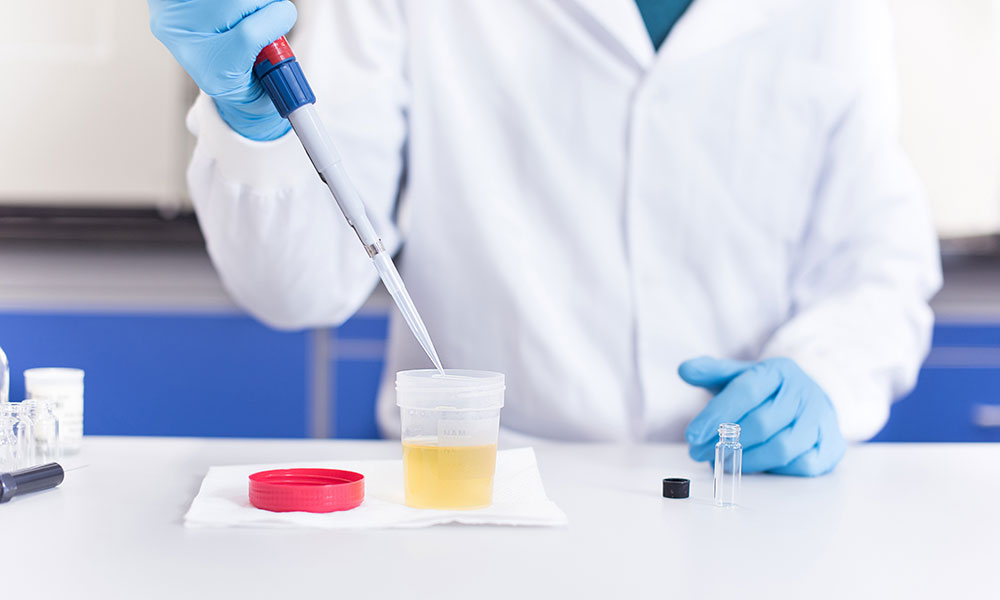
Does Suboxone Show Up in a Urine Drug Screen?
Urine-based testing is the most common form of testing used throughout various workplace, clinical, and legal venues. While it offers numerous advantages such as cost-effectiveness and ease of administration, it also comes with several limitations as well.
Standard immunoassay urine tests, which are the primary testing method used in most workplace and general screening scenarios, are generally not designed to identify buprenorphine.[4] However, clinical monitoring for people enrolled in a medication-assisted treatment program uses buprenorphine-specific urine tests to support continued care.
When a result needs to be confirmed, laboratories can run a more precise confirmation test to verify the presence of buprenorphine, reducing the chances of a false positive or false negative.
Does Suboxone Show Up on a 12-Panel Drug Test?
There’s no single, universally accepted 12-panel drug test.
The inclusion of buprenorphine varies by each individual lab or test, since panel content depends on what the manufacturer builds in and what the requesting party, whether an employer, court, or treatment program, actually needs to know. This is why it’s often more useful to ask which specific substances a panel test screens for rather than relying on the panel number alone.
Which Drug Tests Can Detect Suboxone?
Below are the most common types of drug tests and how well they detect the presence of buprenorphine in your body.
Standard 5-Panel Drug Tests
A standard 5-panel urine screen includes five categories tested and typically looks for marijuana (THC), cocaine, opiate, amphetamine, and phencyclidine (PCP). They do not generally detect buprenorphine.
Expanded 10- and 12-Panel Drug Tests
Some extended drug screens can test for up to twelve drugs, including benzoylecgonine (a cocaine metabolite), methamphetamine (an amphetamine metabolite), methadone, oxycodone, hydrocodone, fentanyl, carisoprodol, tramadol, buprenorphine (the active ingredient in Suboxone), benzodiazepines (alprazolam, clonazepam, diazepam, and others), barbiturates, and other assorted controlled substances.
The addition of extra categories to a standard 5-panel screen, as well as the inclusion of buprenorphine, varies depending on the type of screen being administered.
Buprenorphine-Specific Tests
There are urine screens that are specifically designed to detect buprenorphine. These types of screens are common in clinical settings where people are under a doctor’s care receiving Suboxone as part of their opioid maintenance treatment.
Laboratory Confirmation (GC-MS or LC-MS/MS)
Positive, unexpected, or otherwise clinically significant immunoassay screening results may be confirmed using either gas chromatography-mass spectrometry (GC-MS) or liquid chromatography-tandem mass spectrometry (LC-MS/MS).[5] This confirmation process provides greater precision and is commonly used in all areas of drug testing, especially in cases where accuracy matters most, such as in court cases or by physicians.
What Factors Affect the Detection of Suboxone?
Below are some individual factors that can affect how long Suboxone is detectable in your body:
- Dose: Generally speaking, higher doses of Suboxone tend to remain in the system for longer periods of time after the dose is consumed than lower doses.
- Frequency of Use: If a person is using Suboxone regularly as part of a treatment program and continues to do so over an extended period of time, there will be detectable amounts of buprenorphine in their urine for longer than if they had only taken only one or two doses of the medication.
- Individual Metabolism: Each person metabolizes medications differently, and each person’s metabolic process affects how long it takes for buprenorphine and its metabolites to break down and leave the body.
- Liver Function: Because the liver is responsible for breaking down and eliminating buprenorphine, someone’s liver health directly impacts how long buprenorphine remains detectable.
- Time Since the Last Dose: The amount of time that has elapsed since someone took their last dose of Suboxone affects how likely it is that a test will detect buprenorphine. However, the likelihood of detecting buprenorphine also depends on the factors above.
- Type and Sensitivity of the Drug Test: Different urine screens have varying sensitivities. Some are more sensitive and capable of detecting low levels of buprenorphine, while others may not miss it entirely.
How Long Can Suboxone Be Detected?
| Test Type | Typical Detection Window |
| Urine | Around 3 to 7 days |
| Blood | Around 1 to 2 days |
| Saliva | Around 1 to 3 days |
| Hair | Up to 90 days |
Note that these ranges are approximate, and actual detection times depend on several factors, including dosage level, frequency of dosing, individual metabolism, and the specific test used.
What Should You Do If You’re Taking Suboxone and Need a Drug Test?
In this situation, continue to follow your physician’s orders about your Suboxone treatment, and don’t attempt to alter your dosage before a scheduled test.
If appropriate, bring documentation of your prescription for Suboxone. Knowing why you are required to take a test can also help you understand expectations, since workplace screenings and clinical monitoring are looking for two different things.
Most tests are reviewed by a Medical Review Officer (MRO), who determines whether the detected substance was prescribed. Most importantly, do not discontinue taking your prescribed Suboxone without first consulting with your physician. Stopping your Suboxone could lead to withdrawal symptoms and could potentially jeopardize your recovery.[6]
What Healthcare Providers and Patients Should Know About Suboxone and Drug Testing
Drug testing in the context of MAT is used to help people and support their recovery, not to punish them.
Properly disclosing what medications someone is using will allow their healthcare providers to accurately understand the results of a drug test and make adjustments to a treatment plan if necessary. This is important because some initial screenings do not give accurate results, and the results of drug tests should never be considered indicative of misuse without consideration of prescribed treatments.
Protecting patient confidentiality is also crucial when conducting drug tests, especially in light of applicable state and federal regulations.
Common Misconceptions About Suboxone Drug Testing
There are many myths surrounding Suboxone and drug testing.
For example, standard urine screening tests usually do not flag buprenorphine, the active chemical in Suboxone, as a generic opioid, since standard opiate tests often don’t detect it at all.
Also, many 12-panel urine tests do not include buprenorphine, due to varying panel content by test or prescriber. Having a positive buprenorphine test does not necessarily indicate misuse, especially for someone who has a documented, legitimate prescription. And discontinuing Suboxone for even a couple of days does not guarantee a negative test for buprenorphine, since detection times depend on various factors, such as dose and duration of use, among others.[7]
When Suboxone Is Part of Long-Term Recovery
Long-term recovery from opioid use disorder can involve many different types of treatment plans, including medication-assisted treatment (MAT).
MAT, including the use of Suboxone, is intended to help manage withdrawal symptoms and cravings during a person’s journey toward long-term stability. While drug testing can be a part of ongoing care during long-term recovery, it functions best combined with regular counseling sessions, behavioral therapy, peer support groups, and consistent follow-up treatment visits, rather than as the sole method of recovery.
Long-term recovery from OUD is rarely just about one medication or one drug test result. Rather, it’s about creating a comprehensive treatment plan that promotes continued change over time.
Questions About Suboxone or Recovery? We’re Here to Help.
If you are currently using Suboxone as part of your recovery or are considering medication-assisted treatment for OUD, we are here to help.
Reach out to Paramount Wellness today. Our admissions team is available to answer your questions, verify your insurance, and help you learn more about recovery that supports your long-term health and well-being.
Frequently Asked Questions About Suboxone and Drug Testing