

Understanding Alcoholic Gastritis: Causes, Symptoms, and Treatment Options




If you’ve been experiencing persistent stomach pain, nausea, or discomfort after drinking, you may be dealing with more than just a hangover. Alcoholic gastritis is a serious condition that affects many individuals struggling with alcohol use, yet many dismiss the warning signs as simple indigestion. At Paramount Wellness, we understand that recognizing and addressing this condition is an important step toward reclaiming your health and well-being.
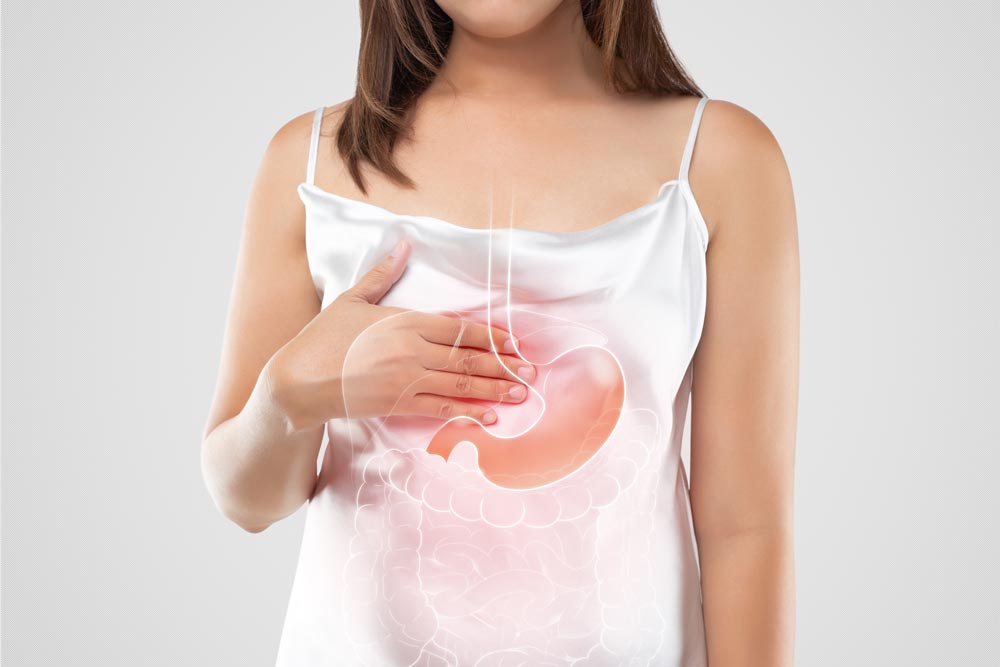
Alcoholic gastritis refers to inflammation or erosion of the stomach lining caused by excessive alcohol consumption. This condition can manifest in two forms: acute alcoholic gastritis, which typically occurs after a single episode of binge drinking, and chronic gastritis, which develops gradually from long-term alcohol use. While it might seem like a minor inconvenience, untreated gastritis can progress to serious complications, including peptic ulcers, gastrointestinal bleeding, and an increased risk of stomach cancer.
How Alcohol Damages Your Stomach
Gastritis is inflammation of the gastric mucosa, the protective lining of your stomach [1]. This lining serves as a crucial barrier between your stomach’s powerful digestive acids and the delicate tissue beneath. While gastritis can be caused by bacterial infections like H. pylori, long-term use of NSAIDs, autoimmune conditions, and chronic stress, alcohol remains one of the most common and preventable causes.
When alcohol enters your stomach, it acts as a direct irritant that weakens the mucous barrier designed to protect your stomach lining [2]. At the same time, alcohol stimulates your stomach to produce more acid while simultaneously reducing the production of protective mucus and bicarbonate. This creates conditions where your stomach lining becomes vulnerable to its own digestive acids [3].
Acute alcohol gastritis typically occurs after a single episode of heavy drinking, triggering rapid inflammation and immediate symptoms. Chronic cases develop gradually over months or years of regular heavy drinking. The repeated damage prevents your stomach lining from healing properly, leading to persistent gut inflammation.
Recognizing Alcoholic Gastritis Symptoms
Identifying alcoholic gastritis symptoms early can make a significant difference in your recovery. The symptoms range from mild to severe. Many people who drink regularly develop a tolerance to early warning signs, mistaking serious symptoms for normal indigestion.
Common symptoms of alcoholic gastritis
In the early stages or milder cases, you might experience:
- Upper abdominal pain or burning discomfort that feels like a gnawing sensation
- Nausea and vomiting often occur in the morning or after drinking
- Bloating and feeling full quickly, even after small amounts of food
- Frequent belching or hiccups as your stomach tries to manage excess acid
- Loss of appetite and fatigue leading to unintended weight loss
More severe alcoholic gastritis symptoms warrant immediate medical attention. Blood in vomit (bright red or coffee-ground appearance) or black, tarry stools indicate gastrointestinal bleeding [1]. Unexplained weight loss or persistent anemia, severe abdominal pain that doesn’t improve, and persistent vomiting are all red flags requiring timely care.
What Causes Alcoholic Gastritis?
While excessive alcohol consumption is the primary cause of alcoholic gastritis, several other factors can increase your risk. Alcohol damages your stomach by directly irritating the lining, disrupting the protective mucus layer, increasing stomach acid production, and impairing healing.
Additional causes or contributing factors to alcoholic gastritis include NSAIDs like aspirin and ibuprofen, bacterial infections such as H. pylori, bile reflux, smoking and vaping, dietary irritants including excessive caffeine and spicy foods, chronic stress, and genetic factors.
Binge drinking can trigger acute alcoholic gastritis in people who don’t regularly drink. Chronic heavy drinking gradually erodes your stomach lining over time, preventing healing between drinking episodes.
Potential Complications
Left untreated, alcoholic gastritis can lead to serious health complications. Peptic ulcers develop when prolonged inflammation breaks down the protective mucosal barrier [3]. Ulcers can cause severe pain and may bleed or perforate the stomach wall, which is a life-threatening emergency requiring immediate surgery.
Gastrointestinal bleeding occurs when inflammation erodes blood vessels. Even small amounts of chronic bleeding can lead to anemia, causing fatigue, weakness, and shortness of breath [4]. Chronic inflammation can also lead to gastric polyps and increase your risk of developing stomach cancer. When your stomach is chronically inflamed, it may not adequately absorb essential nutrients like vitamin B12 and iron, leading to deficiencies that affect your entire body. Can alcoholic gastritis kill you? Yes, severe complications like perforation and heavy bleeding can be life-threatening without proper treatment.
Diagnosis and Testing
Your healthcare provider will confirm the diagnosis based on your medical history, physical examination, and diagnostic tests. Being honest about your alcohol consumption is crucial for an accurate diagnosis. Tests may include breath tests for H. pylori, stool tests to detect hidden blood, blood tests to check for anemia, upper gastrointestinal radiographic series using barium, and upper endoscopy, which uses a scope for direct visualization of your stomach lining. Upper endoscopy is considered the gold standard, allowing doctors to see the damage directly and take biopsies if needed [3].
Treatment and Management
Alcoholic gastritis is treatable. Treatment focuses on stopping further damage, promoting healing, managing symptoms, and addressing any underlying alcohol use disorder.
Stopping or reducing alcohol
The single most critical component of treatment is reducing or completely stopping alcohol consumption [4]. Without this step, no amount of medication or dietary changes will allow your stomach to heal fully. At Paramount Wellness, we can help you safely detox from alcohol and provide the support you need for lasting recovery.
Medications for healing
Several types of medications help manage symptoms and promote healing. Antacids neutralize stomach acid for quick relief. Proton pump inhibitors (PPIs) significantly reduce stomach acid production, giving your stomach lining time to heal. H2 receptor blockers also effectively reduce acid production. If H. pylori infection is present, antibiotics will be prescribed. Probiotics can help restore gut microbiome balance.
Lifestyle and dietary changes
You will see significant improvement in your symptoms with a few simple modifications to your diet and lifestyle. Reduce or eliminate consumption of stimulating foods such as hot peppers and highly acidic foods, and remove all sources of caffeine (coffee and carbonated beverages).
If you smoke or vape, stop doing so immediately. Eat smaller portions of food throughout the day rather than large meals. Drink enough water to stay hydrated, and add calming imagery to your daily routine with calming exercises (meditation/yoga) to reduce your stress. Getting enough quality sleep is essential for recovering from illness.
Paramount Wellness combines many elements of a holistic way of life into our programs, including but not limited to meditation techniques, nutritional advice, and nature-based therapies to improve your overall health and well-being.
Addressing underlying alcohol use disorder
Alcoholic gastritis may indicate that an individual has alcohol use disorder (AUD) or abuses alcohol. At Paramount Wellness, we offer full-service and personalized care for those who are addicted to alcohol. The treatment center is located in Haddam, CT. It is designed to provide clients with a safe, serene, and therapeutic place where they can work on recovering both physically and emotionally.
We pride ourselves on providing clients with the best individualized care possible by maintaining low staff-to-client ratios. We have extensive knowledge and expertise in treating co-occurring mental health disorders, such as anxiety, depression, or trauma. Additionally, we offer a comprehensive approach to recovery, integrating both traditional medical treatments and holistic therapies to help clients achieve total recovery.
The recovery time frame is different for everyone. For some individuals with acute alcoholic gastritis, recovery may begin within a few days or weeks after stopping drinking and starting treatment. For others with chronic alcoholic gastritis, recovery may take several months. Can alcoholic gastritis go away completely? Yes, the majority of cases of alcoholic gastritis will heal completely with getting proper treatment and abstaining from alcohol.
Prevention and When to Seek Help
Gastritis due to alcoholic beverages can be prevented through the use of precautions and preventive measures: moderation or no use of alcohol. Make sure to eat something before drinking alcohol. Consuming food will help to lessen the effects of alcohol on the gastric mucosa. Avoid taking any type of NSAID medication with alcohol. Maintain a healthy, balanced diet consisting of lots of fruits and vegetables, protein and whole grains. Practice stress management regularly and be aware of early symptoms.
If you experience any of the following: vomiting blood or having black or bloody stools; severe abdominal pain, ongoing vomiting, dehydration, inexplicable weight loss, loss of consciousness, or fainting, go to an emergency room.
Your Path to Healing
If you’re struggling with alcoholic gastritis, know that it is definitely something that you can overcome with the correct treatment and lifestyle changes [5]. The first step to recovery may be overwhelming, but you don’t have to do it alone. Paramount Wellness has a dedicated team of experienced professionals who will walk with you every step of the way on your road to recovery.
Recovery is possible! You can heal your digestive system, regain your health, and live a fulfilled, purposeful life with appropriate care and support. Contact us today for more information on how Paramount Wellness can assist you during your health journey.
Frequently Asked Questions About Alcoholic Gastritis