

Antibiotics and Alcohol. Is it safe? Debunking False Ideas & Myths




The potential negative interactions from mixing antibiotics and alcohol has been a source of much misinformation, contradictions, and rumors in the general public for some time.[1]
From questions about the impact alcohol may have on the effectiveness of antibiotics, to concerns about potential risks from mixing the two, in this article we will breakdown the facts about antibiotics and alcohol to empower you to navigate your healthcare with clarity and confidence.
Key Facts about Mixing Alcohol and Antibiotics
- Antibiotics are prescribed to combat bacterial infections. Alcohol can potentially interfere with their effectiveness by impacting the body’s ability to metabolize the medication.
- Mixing alcohol with certain antibiotics can lead to unwanted side effects. These ranging from drowsiness and dizziness to more severe reactions like nausea, vomiting, and liver damage.
- It’s generally recommended to minimize alcohol use while on antibiotics to ensure optimal recovery and minimize the risk of adverse reactions.
- If you choose to drink alcohol while taking antibiotics, it’s crucial to do so with caution, consulting your healthcare provider for personalized advice and following moderation guidelines.
- Following medication instructions and monitoring for side effects are essential to prioritize your health and well-being during antibiotic treatment.
Exploring the Myth: Is It Safe to Drink Alcohol While Taking Antibiotics?
You should exercise caution when consuming alcohol while undergoing antibiotic treatment. While some healthcare providers may advise abstaining from alcohol entirely during this time, others may guide moderate consumption based on your circumstances.
Antibiotics like amoxicillin, doxycycline, metronidazole, azithromycin, and penicillin are prescribed to combat bacterial infections, with specific instructions regarding dosage and duration provided by your prescriber.[2] Some life-saving antibiotics work to eradicate harmful bacteria from the body, promoting recovery and restoring health.
Alcohol is metabolized differently by the body and can interfere with the effectiveness of antibiotics.[3] Mixing alcohol with certain antibiotics can lead to unwanted side effects, ranging from increased drowsiness and dizziness to more severe reactions such as nausea, vomiting, and rapid heartbeat.[4] The severity of these side effects may vary depending on individual factors and the specific combination of alcohol and antibiotics.
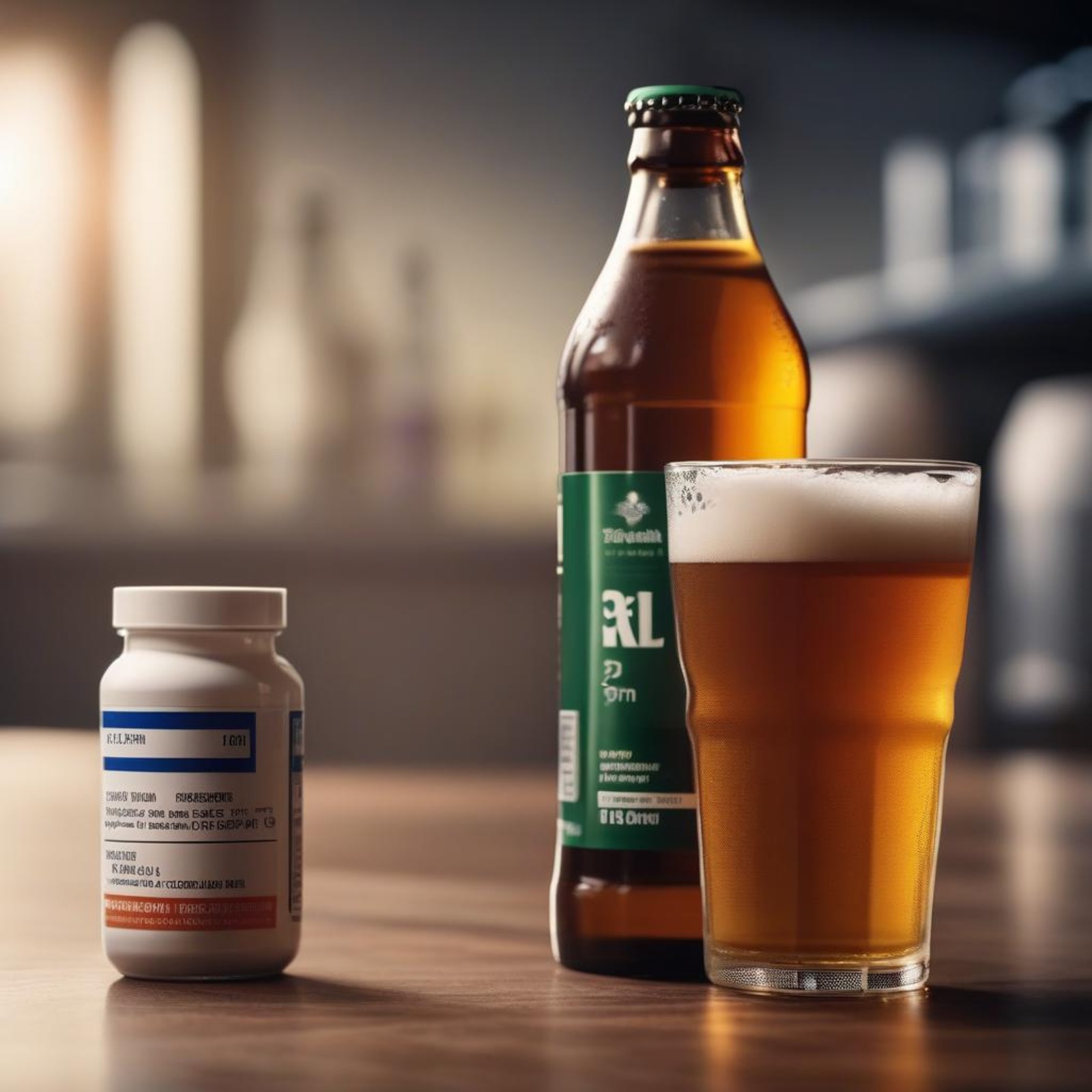
Can Drinking Alcohol Make Antibiotics Less Effective?
Drinking alcohol can make certain antibiotics less effective. Alcohol can interfere with the body’s ability to metabolize antibiotics properly. This interference may reduce medication absorption into the bloodstream, decreasing effectiveness in combating the bacterial infection.
Additionally, alcohol consumption can weaken the immune system and impair the body’s natural ability to fight off infections. This weakened immune response may further diminish the effectiveness of antibiotics in eradicating the bacteria causing the infection.
Certain antibiotics can cause side effects such as nausea, vomiting, and dizziness, which can also be exacerbated by alcohol consumption. These side effects may lead to decreased compliance with your antibiotic regimen, potentially compromising the overall effectiveness of your treatment.
How Can I Consume Alcohol Safely If I’m Taking Antibiotics?
If you choose to consume alcohol while taking antibiotics, it’s essential to do so cautiously:
- Consult your healthcare provider: Before consuming alcohol while taking antibiotics, it’s crucial to get medical advice from your healthcare provider for personalized advice and recommendations. They can provide guidance based on your specific medical history, the type of antibiotic prescribed, and any potential interactions or risks.
- Limit or avoid your alcohol intake: It is best to avoid alcohol completely while taking antibiotics to ensure the highest level of safety and effectiveness of your treatment. If drinking cannot be avoided, consult your healthcare provider for specific guidance based on the type of antibiotic and your medical history.
- Space out your consumption: Avoid drinking alcohol immediately before or after taking your antibiotics. Space out the timing of alcohol consumption and medication administration to minimize any potential interactions and ensure the antibiotics have sufficient time to be absorbed and metabolized properly.
- Stay hydrated: Alcohol consumption can lead to dehydration, which may exacerbate side effects and strain the body while on antibiotics. Be sure to stay hydrated by drinking plenty of water before, during, and after consuming alcohol to help mitigate these effects.
- Watch for side effects: Pay close attention to how your body reacts when combining alcohol with antibiotics. Monitor for unusual symptoms or side effects, such as increased drowsiness, dizziness, nausea, vomiting, or rapid heartbeat. If you experience any concerning symptoms, stop drinking alcohol and seek medical attention if necessary.
- Follow your medication instructions: Always follow the instructions provided by your healthcare provider regarding dosage and duration of any prescription medication. Avoid skipping doses or altering your medication regimen to accommodate alcohol consumption, as this can compromise the effectiveness of the treatment and potentially worsen the infection.
Overall, while it’s always safest to avoid alcohol while taking antibiotics, it’s important to drink responsibly if you do choose to consume. Prioritize your health and well-being by consulting your healthcare provider and following their guidance to minimize any potential risks or complications to your care. If you have an addiction to alcohol that will make abstaining from drinking difficult, it is important to reach out to a healthcare provider for help.
Overcome Alcohol Addiction
If you are currently struggling with an alcohol use disorder, it is best to seek treatment with a trustworthy substance abuse treatment center. They can help you detox safely before entering into an individualized treatment program.
Frequently Asked Questions About Antibiotics and Alcohol