

Can You Drink Rubbing Alcohol? Dangers, Side Effects, And Symptoms



Key Points
- Rubbing alcohol contains isopropyl alcohol, a chemical far more toxic than the ethanol in drinkable alcohol that quickly breaks down into acetone and suppresses the central nervous system.
- Even small amounts can cause rapid intoxication, severe gastrointestinal pain, and persistent vomiting, while large amounts can lead to organ failure, low blood pressure, seizures, coma, or death.
- Ingesting rubbing alcohol is a critical medical emergency requiring immediate contact with Poison Control or 911, and vomiting should never be induced unless directed by professionals.
- Emergency hospital care relies on supportive measures like intravenous fluids, respiratory support, and oxygen, as there is no specific antidote for isopropyl alcohol poisoning.
- Consuming non-drinkable alcohol often points to severe underlying alcohol use disorder, highlighting the need for comprehensive medical detoxification and long-term addiction treatment after emergency stabilization.
Rubbing alcohol is not something that the human body can digest. Drinking rubbing alcohol can cause alcohol poisoning, which is an emergency situation.[1] Symptoms can rapidly escalate, and if you think someone drank rubbing alcohol for fun, seek immediate medical assistance.
The Dangers of Consuming Rubbing Alcohol
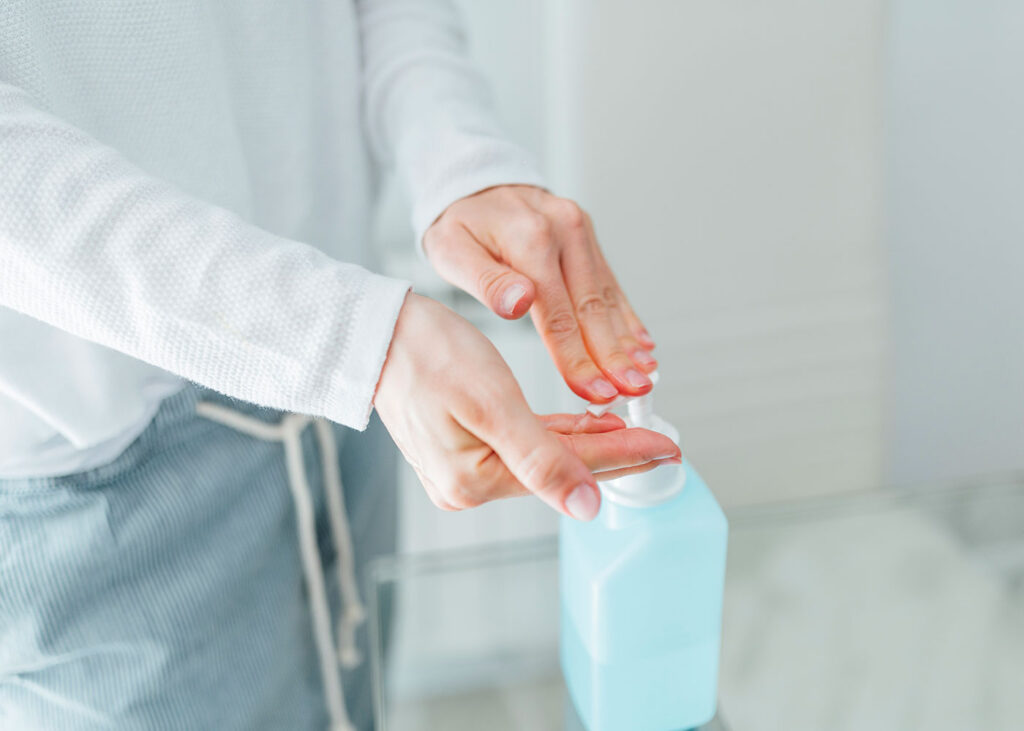
Rubbing alcohol is almost always created from a combination of isopropyl alcohol (also referred to as isopropanol), water, and occasionally a little bit of acetone. It is utilized in disinfectants, hand sanitizer, and moisturizer products. Isopropyl alcohol is chemically distinct from ethanol, the form of alcohol contained in beer, wine, and hard liquor. Isopropyl alcohol is significantly more harmful to humans.[2] Products with labels stating “for topical application only” may result in severe injury if swallowed, and the symptoms of poisoning will probably show themselves sooner than those resulting from consumption of liquor.
Early Symptoms of Ingesting Rubbing Alcohol
After ingesting rubbing alcohol, a person may experience discomfort in the mouth or throat from the chemical, stomach cramps, nausea, and vomiting. A number of individuals will experience dizziness or intoxication similar to that caused by liquor; however, this can appear much earlier and be more extreme.
How Is Rubbing Alcohol More Perilous Than Drinkable Alcohol?
It is more perilous due to the fact that isopropyl alcohol suppresses the CNS (the brain and spinal cord) more effectively than ethyl alcohol does.[3] Additionally, due to irritation of the gastrointestinal tract and breakdown of the compound into acetone, a toxic by-product, someone consuming rubbing alcohol will experience acute poisoning from a lesser volume than it would require to achieve the same effect with regular drinkable alcohol.
Symptoms of Consuming Rubbing Alcohol
The adverse reactions caused by drinking rubbing alcohol are based on the quantity and strength of the item consumed, yet they normally fall under two classifications.[4]
Mild to moderate reactions:
- Nausea and vomiting
- Abdominal pain
- Headaches
- Sleepy or confused
- Loss of balance
Severe adverse effects:
- Difficulty breathing
- Low blood pressure
- Tachycardia (fast heart rate)
- Gastrointestinal bleeding
- Seizure activity, although not very frequent
- Comatose state
The above-listed adverse effects illustrate the high level of toxicity of isopropyl alcohol towards multiple organ systems, and all should be regarded as an urgent need for medical attention.
What Occurs if You Ingest an Entire Bottle of Rubbing Alcohol?
Ingestion of a complete bottle of rubbing alcohol is a potentially lethal occurrence. Depending on various elements, primarily the concentration of the product (e.g., 70%, 91% or greater); volume consumed; individual body weight; age; and presence of additional prescription medications or alcoholic beverages, the outcome can vary greatly.
Ingestion of substantial quantities of isopropanol can create unconsciousness, aspiration from vomiting, extremely low blood pressure, respiratory failure, and organ damage (with potential for permanent brain damage due to lack of sufficient oxygen during prolonged periods).
In extreme instances, death can occur. Anytime someone consumes an entire bottle of rubbing alcohol, either accidentally or intentionally, it constitutes a medical emergency regardless of how well they may appear initially.[5]
Signs of Isopropyl Alcohol Poisoning
Poisoning from isopropyl alcohol can manifest itself differently among individuals. However, many of the warning signals associated with this condition include:[6]
- Persistent vomiting
- Extreme somnolence
- Dazed or cognitive impairment
- Slurred speech or dysarthria
- Impaired ambulation or balance
- Slow or shallow respiration
- Blue discoloration around the lips or fingers
- Hypothermia (low body temperature)
- Loss of consciousness
Some of these symptoms can deteriorate rapidly; in many cases, over an hour after ingestion. Waiting to find out if symptoms subside without receiving immediate medical assistance is unsafe.
When Should Emergency Assistance Be Sought?
Contact 911 or seek care at your nearby ER immediately if someone has ingested rubbing alcohol, particularly if they have done so purposefully, if they consumed an undetermined amount, are experiencing difficulty breathing, are unresponsive or unconscious, are vomiting frequently, are having convulsions, display extreme cognitive impairment, or are exhibiting signs of shock (pale or clammy skin, or a rapid pulse).
Also, contact your regional poison control hotlines immediately after any ingestion, regardless of how mild initial symptoms may appear.[7] Your healthcare professional can guide you on appropriate next steps for treatment and determine whether emergency services are required.
Hospital Treatment for Rubbing Alcohol Poisoning
Once at the hospital, where the patient will receive a comprehensive assessment, your healthcare professional will perform a thorough physical exam and inquire about how much was consumed and when. Blood testing will often assess electrolyte levels, blood gases, kidney function, and heart rate and rhythm. Some cases may require toxicology screening to identify substances consumed and confirm diagnosis.
Supportive treatment, rather than one specific antidote, is the best approach. Supportive treatments may include IV fluids, oxygen, and respiratory assistance (if respiratory difficulties arise), along with medications to maintain blood pressure stability.[8] While many patients recover from poisoning within a couple of days via close monitoring by their healthcare providers, some individuals requiring extended observation (i.e., more than 24 hours) may require longer-term monitoring.
This supportive care differs from that used for methanol or ethylene glycol poisoning, which are two additional types of toxic alcohols found in products like antifreeze or some solvents, in that some forms of supportive care may also incorporate one or more specific antidotes.
Steps to Take if Someone Consumes Rubbing Alcohol
If you suspect someone has ingested rubbing alcohol, do not wait for symptoms to develop before taking action.
- Contact poison control hotlines immediately.
- Dial 911 immediately if severe symptoms emerge (breathing issues or coma).
- Avoid inducing vomiting unless instructed to do so by a healthcare professional or poison control representative.
- Take the product container with you to the ER, as this will assist in confirming the concentration level involved.
If Someone Drank Rubbing Alcohol Due to an Alcohol Dependence
On occasion, consuming rubbing alcohol or another type of non-drinkable alcohol results from a deep-rooted issue with alcohol abuse, substance abuse, or addiction. When normal types of alcoholic beverages are unavailable, some individuals suffering from extreme dependence will seek alternative methods for obtaining ethanol or isopropanol, often due to desperation, not just bad decision-making.
Such patterns may also be related to underlying mental health problems, and addressing them simultaneously supports a stronger likelihood of developing a long-term recovery plan. If this occurred to you or a family member or loved one, it could indicate that now is a good time to explore additional treatment options beyond the emergency room visit.
Medical Detoxification
Using prescribed medications and other supportive approaches, medical detoxification enables healthcare professionals to provide safer management for patients withdrawing from addictive substances. Medical detoxification provides a secure base for establishing a recovery program in the earliest stages of recovery.
After completing medical detoxification, patients may enroll in either inpatient or outpatient addiction treatment programs, or both. Addiction treatment, continued support, and rehabilitation enable individuals to establish a strong foundation for achieving long-lasting sobriety. Treatment programs that address the unique historical background and needs of each individual tend to produce better results since every path toward successful alcohol abuse recovery is different.
Frequently Asked Questions About If You Can Drink Rubbing Alcohol
Related Programs & Therapies
Learn More About Dual Diagnosis Treatment at Paramount Wellness
- Dual Diagnosis
- Depression
- Bi-polar Disorder
- Obsessive Compulusive Disorder
- Post Traumatic Stress Disorder
- ADHD
- Eating Disorder