

Hangxiety Meaning: Symptoms, Causes, and What Helps



Key Points
- Hangxiety means anxiety that happens after drinking alcohol, often during a hangover the next day.
- Anxiety symptoms can include racing thoughts, a sense of dread, increased heart rate, sweating, irritability, panic, guilt, and trouble relaxing.
- Alcohol can affect brain chemicals involved in calm and stress, which may help explain why anxiety can feel stronger after drinking.
- People with social anxiety, panic attacks, heavy drinking patterns, or an anxiety disorder may be more likely to experience hangxiety.
- Coping strategies may include hydration, rest, food, deep breathing, gentle movement, and avoiding more alcohol.
- If hangxiety happens often or alcohol feels hard to control, professional alcohol addiction treatment may be worth considering.
A headache after a night of drinking is hard enough. A racing heart, spiraling thoughts, and a heavy sense of dread can feel even worse. You may replay conversations from the night before, worry that you embarrassed yourself, or feel anxious even when you cannot point to one specific reason.
This is often called hangxiety. The word combines hangover and anxiety, and it describes the uneasy, panicky, or regretful feelings that can happen the next day after drinking alcohol. Hangxiety is not a formal diagnosis, but the experience is real, and it can be a sign that alcohol is affecting your mental health more than you realized.
What Is the Meaning of Hangxiety?
Hangxiety refers to the anxious, panicky, or uneasy feelings that can happen as part of a hangover. It may appear the morning after drinking, later the next day, or as the body recovers from alcohol’s effects.
A hangover is a group of symptoms that can follow excessive alcohol use. Hangovers can include both physical and emotional symptoms, including anxiety, irritability, sweating, fatigue, thirst, headache, nausea, stomach pain, and sensitivity to light and sound.[1]
Hangxiety is the emotional side of a hangover, where worry, panic, or shame can feel as intense as the physical discomfort. Some people describe it as dread, shame, panic, restlessness, or the feeling that something bad is about to happen. Others notice that ordinary worries feel much bigger than usual after alcohol consumption.
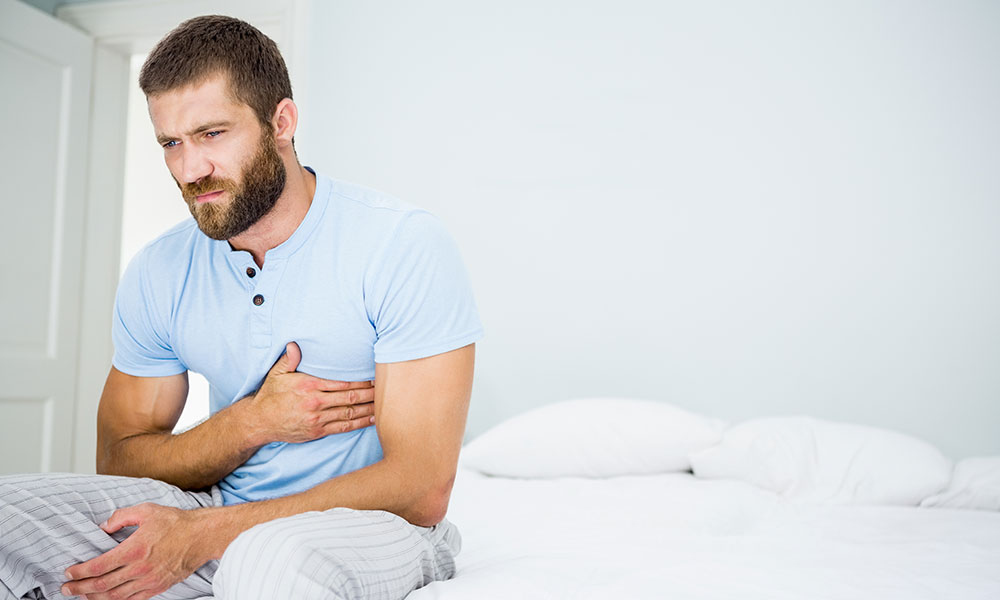
What Does Hangxiety Feel Like?
Hangxiety often feels like waking up on edge before you fully understand why. For some social drinkers, it may be mild embarrassment or worry after a night out. For others, it can feel like intense anxiety or a panic attack.
Common hangxiety symptoms include:
- Racing thoughts
- A sense of dread
- Panic attacks
- Increased heart rate
- Sweating
- Shakiness
- Irritability
- Restlessness
- Trouble focusing
- Guilt or regret about the night before
- Fear that you said or did something wrong
- Sensitivity to texts, silence, or social cues
- Nausea, headache, and other symptoms of a hangover
- Trouble sleeping even though you feel tired
Some people also feel more emotionally raw the next day. A small problem can feel overwhelming. A missed call can feel more serious than it really is. A vague memory from the night before can turn into hours of anxious checking or overthinking.
What Causes Hangover Anxiety?
Hangxiety usually comes from several things happening at once. It is usually the result of alcohol’s effects on the brain, body, sleep, emotions, and behavior.
At first, alcohol can increase activity related to gamma-aminobutyric acid (GABA), a brain chemical involved in calming the nervous system. As alcohol wears off, the brain shifts back toward balance, and changes in GABA and glutamate activity may contribute to rebound anxiety, restlessness, and poor sleep.[2]
Alcohol can also affect stress hormones. Alcohol may also affect the body’s stress response, which can contribute to physical anxiety symptoms such as a pounding heart, tension, or feeling on edge. Hangovers are also linked to dehydration, inflammation, disrupted sleep, changes in blood sugar, and the toxic effects of alcohol metabolism. The emotional side matters too. If drinking led to an argument, memory gaps, risky decisions, or embarrassment, anxiety may come from trying to piece together what happened. Blackouts, meaning gaps in memory for events that happened while intoxicated, can make hangxiety especially intense.
Why Some People Experience Hangxiety More Than Others
Not everyone experiences hangxiety after drinking. Some people may feel mostly tired or nauseous, while others feel anxious every time they drink.
Hangxiety may be more likely if you:
- Have social anxiety
- Have panic attacks or an anxiety disorder
- Drink heavily or binge drink
- Use alcohol to cope with stress
- Have a family history of alcohol use disorder or heavy drinking
- Have poor sleep after drinking
- Experience blackouts
- Drink in stressful social situations
- Mix alcohol with other substances
- Feel guilt or shame about their drinking habits
- Have co-occurring mental health concerns
The National Institute on Alcohol Abuse and Alcoholism (NIAAA) notes that alcohol use disorder commonly co-occurs with anxiety disorders, depressive disorders, trauma-related disorders, sleep disorders, and other substance use disorders.[3] This does not mean every person with hangxiety has alcohol use disorder. It does mean recurring anxiety after drinking is worth paying attention to, especially when drinking is becoming harder to control.
Is Hangxiety a Sign of Alcohol Withdrawal?
Hangxiety can overlap with mild alcohol withdrawal symptoms, especially after heavy drinking. Anxiety, sweating, irritability, shakiness, nausea, and increased heart rate can happen as the nervous system adjusts after alcohol wears off.
For people who drink heavily or daily, withdrawal can become medically serious. Warning signs may include severe tremors, confusion, hallucinations, fever, high blood pressure, seizures, or agitation. These symptoms can be dangerous and should be treated as a medical emergency.
If you feel anxious the day after drinking once in a while, that may be hangxiety. If you need alcohol to stop shaking, calm down, sleep, or function, that may point to alcohol dependence and a need for professional help.
How to Manage Hangxiety After Drinking
Hangxiety may not disappear immediately, but small steps can help your body recover and make the anxiety feel less overwhelming.
Try these steps:
- Drink plenty of water or an electrolyte drink.
- Eat a balanced meal if you can tolerate food.
- Rest in a quiet, low-stimulation environment.
- Avoid caffeine if it worsens your anxiety.
- Take a short walk or stretch gently.
- Use breathing exercises, such as slow inhales and longer exhales.
- Remind yourself that hangxiety often fades as your body recovers.
- Avoid checking your phone repeatedly if it fuels racing thoughts.
- Talk with a trusted loved one if you feel overwhelmed.
- Do not drink more alcohol to calm the anxiety.
Drinking more alcohol may seem to calm anxiety temporarily, but it can delay recovery and keep the hangxiety cycle going.[4]
How to Prevent Hangxiety
The best way to prevent hangxiety is to reduce alcohol intake or avoid drinking. If you still choose to drink, practical boundaries can help reduce risk.
Consider:
- Deciding your drink limit before you go out
- Alternating alcoholic drinks with water
- Eating before and during drinking
- Avoiding binge drinking
- Avoiding drinking when already anxious or upset
- Planning transportation before alcohol is involved
- Not mixing alcohol with other substances
- Tracking how often hangxiety happens
- Taking alcohol-free breaks and noticing whether your anxiety, sleep, and mood improve
If you notice that hangxiety only happens after heavier drinking, reducing the amount may help. If anxiety happens after even small amounts, your body may not respond well to alcohol, or alcohol may be worsening an underlying mental health condition.
When Hangxiety Points to a Bigger Alcohol Problem
Hangxiety can become part of a cycle. Someone drinks to relax in social situations, feels anxious the next day, then drinks again later to escape the discomfort. Over time, alcohol can become a coping mechanism rather than a choice.
Signs that alcohol addiction help may be needed include:
- Drinking more than intended
- Trying to cut back and being unable to
- Feeling anxious when alcohol is unavailable
- Needing alcohol to socialize, sleep, or relax
- Having blackouts or memory gaps
- Drinking despite hangxiety, panic, or health concerns
- Loved ones expressing concern
- Hiding how much or how often you drink
- Work, school, health, or relationships being affected
- Withdrawal symptoms when you stop
Alcohol use disorder is a medical condition involving an impaired ability to stop or control alcohol use despite negative consequences.[5] It is treatable, and evidence-based treatment can include therapy, medication, support groups, detox, residential care, outpatient care, and aftercare.
Alcohol Rehab in Connecticut at Paramount Wellness
If hangxiety is becoming a pattern or alcohol is becoming harder to control, you do not have to wait for a crisis before seeking support. At Paramount Wellness, we provide individualized alcohol use disorder treatment in Haddam, Connecticut, within a private, retreat-style environment. Our approach combines evidence-based addiction treatment, medical support, and holistic care based on each person’s needs.
If alcohol use, cravings, withdrawal symptoms, or difficulty controlling your drinking have become concerning, you can speak with our admissions team to determine whether medical detox, inpatient residential treatment, dual diagnosis care, or another form of support may be appropriate.
Frequently Asked Questions About Hangxiety
Related Programs & Therapies
Learn More About Dual Diagnosis Treatment at Paramount Wellness
- Dual Diagnosis
- Depression
- Bi-polar Disorder
- Obsessive Compulusive Disorder
- Post Traumatic Stress Disorder
- ADHD
- Eating Disorder
We’re Glad You’re Here! Take The First Step In Recovery Today.
We’re eager to meet you and help you succeed in your recovery journey. Contact us today to start now.
