

Does Alcohol Affect Gabapentin?: Safety, Risks, and Informed Decisions



Key Points
- Gabapentin and alcohol are both central nervous system depressants. Their interaction amplifies risk of excessive sedation and respiratory depression.
- Effects of mixing alcohol and gabapentin include dizziness, falling, memory loss, overdose, and respiratory depression.
- Gabapentin is occasionally prescribed under a doctor’s supervision to aid in reducing symptoms of alcohol withdrawal; it should never be self-administered.
- The elderly, those with liver or kidney disease, and those taking additional CNS depressants are at higher risk for adverse effects when taking gabapentin and consuming alcohol.
- Early intervention with healthcare providers or treatment centers will greatly enhance your ability to overcome addiction.
This article is general information for education. It is not medical advice.
Gabapentin is among the most prescribed medications in the United States, according to the Centers for Disease Control (CDC), while alcohol remains the most widely used mood-altering substance in American life.[1][2]
It is no surprise, then, that many people wonder whether it is safe to enjoy a glass of wine or a beer while taking this medication. If you are asking this question, you are not the only one, and seeking clarity is a thoughtful step.
What is Gabapentin?
Gabapentin is an anticonvulsant and nerve pain medication that goes by the brand names Neurontin, Gralise, and Horizant. These drugs are primarily used to treat various forms of seizure disorders, postherpetic neuralgia (pain from herpes zoster infection), and restless legs syndrome.[3] Additionally, gabapentin is often prescribed off-label (non-FDA approved) for anxiety, insomnia, and various types of chronic pain.
How Gabapentin Works
Gabapentin is designed to mimic gamma-aminobutyric acid, or GABA, a chemical the body naturally makes to calm nerve activity.[4] By helping to slow down how nerves send signals, it can reduce overactivity in the brain.
Unlike most drugs, gabapentin is not broken down by liver enzymes, so it is excreted in its original form through the kidneys. The half-life of gabapentin (the time required for the concentration of the active substance in the blood to decrease by half) is approximately 5 to 7 hours.[5] However, it can take approximately 40 to 42 hours for gabapentin to completely be eliminated.
Common and Severe Side Effects
Most people tolerate gabapentin well, but side effects can include dizziness, drowsiness, impaired coordination, gastrointestinal distress like nausea and vomiting, and mood disturbances.
Rare instances in which severe allergic reactions occur include symptoms like hives, facial or throat swelling, and shortness of breath.[6] Seek emergency care if you develop any of these symptoms.
How Alcohol Affects the Body
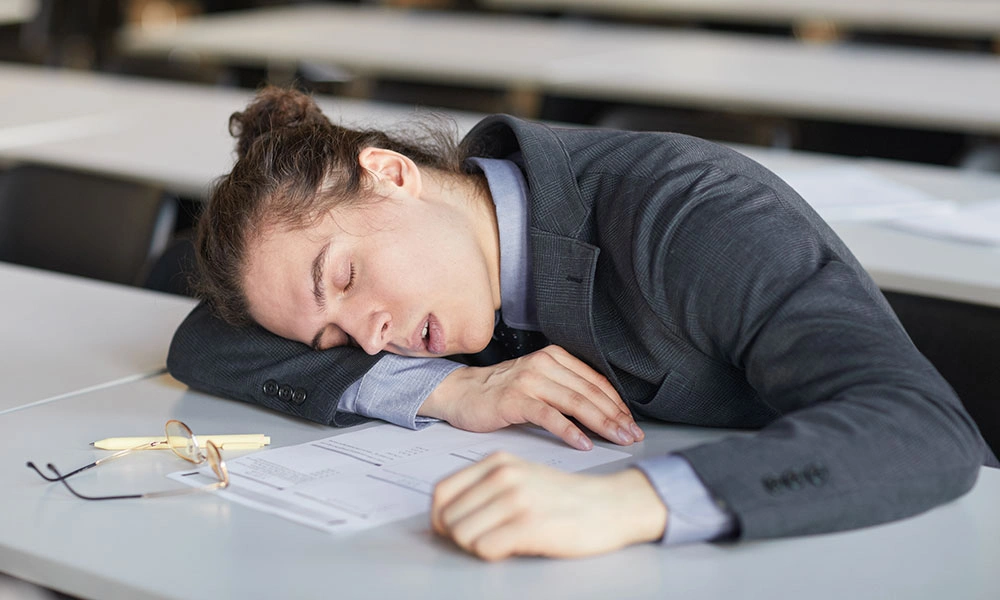
Alcohol is a central nervous system depressant. The immediate effects of alcohol can result in relaxation and euphoria, but it can also impair judgment, motor skills, and reaction times.
Since alcohol functions similarly to gabapentin, there is an increased likelihood of serious side effects when both are consumed at the same time.
Does Alcohol Affect Gabapentin?
When gabapentin and alcohol are taken together, their CNS depressive effects are synergistic. According to the U.S. Food and Drug Administration (FDA), concurrent ingestion of gabapentin with other CNS depressants can increase the risk of serious respiratory depression (inadequate breathing), especially in vulnerable populations such as older adults with pulmonary conditions.[7]
Alcohol consumption can also exacerbate the cognitive and motor-related side effects associated with gabapentin. An individual’s experiences may vary depending upon factors such as age, body composition, renal impairment, other drugs used, prescribed dosage, and time of day. Furthermore, researchers found that alcohol can prolong the amount of time that a drug remains in the body, leading to heavier sedation and a greater chance of overdose.
Why People Mix Gabapentin and Alcohol
There are numerous reasons why someone might take both alcohol and gabapentin together, including:
- Accidental Use: Many people are unaware that drinking is dangerous when taking gabapentin.
- Self-Medication: Some people may drink as a method to alleviate pain, calm anxiety, or quell racing thoughts.
- Recreational Misuse: Gabapentin is sometimes used recreationally, and people may mix it with alcohol to increase its effects.
Risks of Taking Gabapentin and Alcohol Together
Short-Term Effects
Taking gabapentin and alcohol together can create physical responses that are synergistic, that is, stronger than adding their effects together. Taking gabapentin and alcohol together can include symptoms such as:
- Excessive sedation and dizziness: Extreme drowsiness or dizziness that makes it difficult to remain alert
- Impaired coordination: Increased risk for falling and accidents
- Disorientation and memory problems: Blackouts (gaps in a person’s memory for events that occurred while they were intoxicated), poor judgment, and confusion
- Stomach distress, nausea, and vomiting: Nausea and vomiting occur frequently when taking large amounts of alcohol and gabapentin together
- Decreased respiration and slow breathing: Slow, shallow, or irregular breathing are side effects of both substances, and can increase when taken together
Long-Term Health Consequences and Overdose
Regularly consuming gabapentin with alcohol creates a substantial risk of overdose.[8] Signs of an overdose include:
- Extremely slow breathing or respiratory arrest
- Unresponsiveness
- Bluish skin or fingertips
- Severe confusion
Call 911 immediately if you believe an overdose has occurred.
Ongoing consumption of gabapentin and alcohol can lead to tolerance, addiction, liver or kidney injury, and worsened mental health conditions.
Who Faces the Greatest Risk?
Certain vulnerable populations are at greater risk of adverse side effects from combining alcohol and gabapentin, including:
- Elderly people
- Those with liver or kidney disease
- Those taking other depressants, such as opioids, benzodiazepines, sedatives, antihistamines, or certain antidepressants
- Those with a history of substance use disorders
- Those with mental health disorders, such as anxiety or depression
Gabapentin for Alcohol Withdrawal
Gabapentin has shown promise as a tool in treating alcohol withdrawal when used under medical supervision, with studies indicating that high doses of gabapentin were correlated with shorter lengths of stay at hospitals and lessened withdrawal symptoms for certain participants.[9]
How Long Should You Wait Before Consuming Alcohol When Taking Gabapentin?
Since gabapentin typically leaves the body within 42 hours, many clinicians recommend waiting until at least 48 hours after your last dose prior to consuming alcohol.[10] However, everyone is different, and variables such as age, kidney and liver impairment, or other medications all affect the safe length of time before drinking alcohol again. Ask your healthcare provider for a recommendation of a safe interval.
Safe Alternatives and Practices to Avoid Risk
To maintain safety while taking gabapentin:
- Adhere to your prescribed regimen: Follow your healthcare provider’s recommended dosages and do not combine with alcohol.
- Explore alternative coping mechanisms: Stress-reducing activities such as exercise, meditation, therapy, or social connections can provide relief without the negative consequences of drinking.
- Avoid operating vehicles or equipment: Both substances diminish reaction time and adversely affect judgment, so avoid driving or using heavy equipment until cleared by a professional.
Identifying Signs of Dependence and Getting Help
Combined use of gabapentin and alcohol can develop into something complicated to manage.
Indications of misuse or dependence include:
- Increased frequency of use over time
- Using multiple providers for prescriptions
- Spending a lot of time obtaining, using, and recovering from use of the substances
- Neglecting responsibilities or relationships in favor of substance use
- Changes in mood
- You feel as if you cannot stop using either substance
- Cravings
- Withdrawal symptoms when not using your preferred substance(s)
- Financial difficulties
Please understand that seeking help takes courage and that there are a variety of treatment options available, such as medically supervised detoxification, inpatient rehab, medication-assisted treatment, and cognitive behavioral therapy.
Paramount Wellness provides supportive, compassionate addiction treatment every step of the way.
How Family Members and Loved Ones Can Help
Family members and loved ones can provide vital support to someone who may require professional care.[11] Non-threatening, non-confrontational dialogue often opens avenues of communication. Helping someone connect to professional treatment may be one of the greatest contributions you can provide.
Protect Your Health
It is essential to pay attention to your healthcare provider regarding all medications and substances you use, including alcoholic beverages. If you struggle with pain, sleep, or anxiety, collaborate with a healthcare provider to establish a management strategy using healthy coping mechanisms.
Compassionate Care at Paramount Wellness
If you or someone you know is battling addiction to alcohol, gabapentin misuse, or a combination, you don’t have to face this challenge by yourself.
Paramount Wellness provides accessible, non-judgmental, evidence-based medical detox and rehabilitation services for adults in Connecticut.
We look forward to hearing from you today.
Frequently Asked Questions
We’re Glad You’re Here! Take The First Step In Recovery Today.
We’re eager to meet you and help you succeed in your recovery journey. Contact us today to start now.
